Tinnitus, the nagging sound of ringing or buzzing in the ears with no external source, impacts millions worldwide. Until now, doctors couldn't objectively measure how much this condition bothers patients. Researchers at Mass General Brigham have discovered that subtle changes in facial expressions and eye movements could help track tinnitus severity and improve treatment.
Why it matters
For the first time, scientists can objectively measure how distressing tinnitus is for a person—no questionnaires needed. This breakthrough could fast-track clinical trials for treatments, which have long stalled because severity was based on self-reports.
“Imagine if cancer severity were determined by giving patients a questionnaire – this is the state of affairs for some common neurological disorders like tinnitus. For the first time, we directly observed a signature of tinnitus severity. When we began this study, we didn’t know if sounds would elicit facial movements; so, to discover that these movements not only occur, but can provide the most informative measure to date of tinnitus distress, is quite surprising.” —Daniel Polley, PhD, Director, Eaton-Peabody Laboratories at Mass Eye and Ear, Mass General Brigham healthcare system
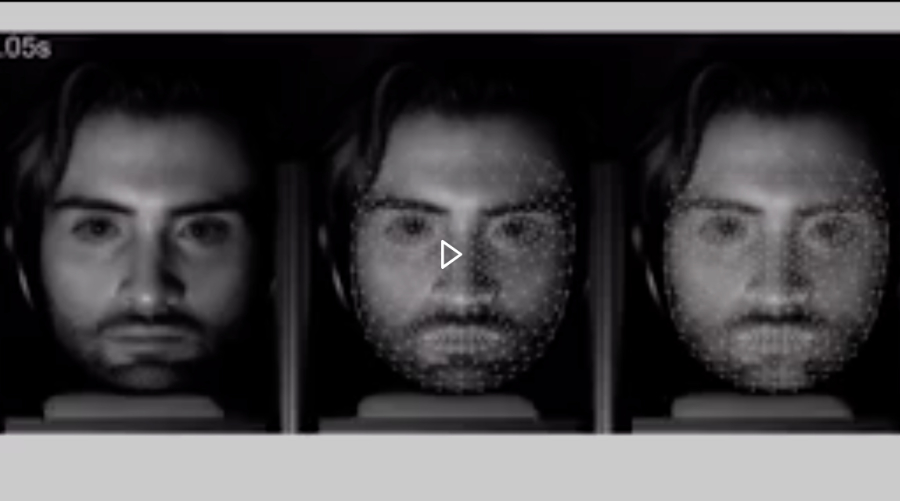 The researchers used advances in computer vision and an automated pipeline to quantify facial movements. The pipeline highlights otherwise covert movements in the recording, such as a nostril flare (2s), a jaw clench (3s), and an eyebrow twitch (4.5s).
How it works
Researchers filmed 97 participants (47 with tinnitus, 50 without) while they listened to sounds like crying or coughing. Using AI, they tracked:
- Pupil dilation (a sign of stress).
- Micro-movements (nostril flares, jaw clenches).
Key finding: People with severe tinnitus had pupils that stayed wide even during neutral sounds. Their facial reactions were also muted, suggesting their brains treat everyday noises as threats.
The challenge
The study excluded people with hearing loss, mental health issues, or older age groups, often hit hardest by severe tinnitus. This limits how broadly the findings apply today.
- Next steps: Test these biomarkers in more diverse populations.
The takeaway
These "hidden" signs of distress could lead to:
-
Low-tech diagnostic tools (think phone cameras in clinics).
-
New therapies pairing brain stimulation with sound-based software.
“These biomarkers get to the root of the distress. While imaging might show hyperactive brain regions in tinnitus patients, these biomarkers reveal body-wide threat evaluation systems that are operating outside of their normal range, leading to the distressful symptoms they experience. —Dr. Polley
Are you struggling with tinnitus?
Schedule a consultation with an audiologist. Learn about the health of your hearing and the treatments we offer for tinnitus.
★ Call 708-599-9500 to schedule.
★ For facts about hearing loss and hearing aid options, grab your copy of The Hearing Loss Guide.
★ Sign up for our newsletter for the latest on Hearing aids, dementia triggered by hearing loss, pediatric speech and hearing, speech-language therapies, Parkinson's Voice therapies, and occupational-hearing conservation. We publish our newsletter eight times a year.
Don't let untreated hearing loss spoil your enjoyment of life.
Crest Hill, IL - 630-633-5060 | Palos Hills, IL - 708-599-9500