Excessive loud noise causes permanent hearing loss in children and adults. Noise-induced hearing loss is permanent and, like many adult disorders — obesity, diabetes, and hypertension — starts in childhood.
The damage of hearing loss is not limited to our ability to hear. Hearing loss impairs the whole person — our physical, cognitive, and psychological health.
Why it matters
Protecting and preserving infants’, children’s, and teens’ developing hearing is vital to their success as adults because good hearing is critical for
- Speech and language acquisition
- Spoken communication
- Social and cognitive development
- Mental health
- Educational success
Parents play a vital role in supporting their children’s hearing health. To help you fulfill this essential task, let’s review the following three topics:
- The development of the auditory system
- Why are children more prone to auditory damage from noise than adults?
- Practical actions parents can take to protect their children’s hearing from excessive noise
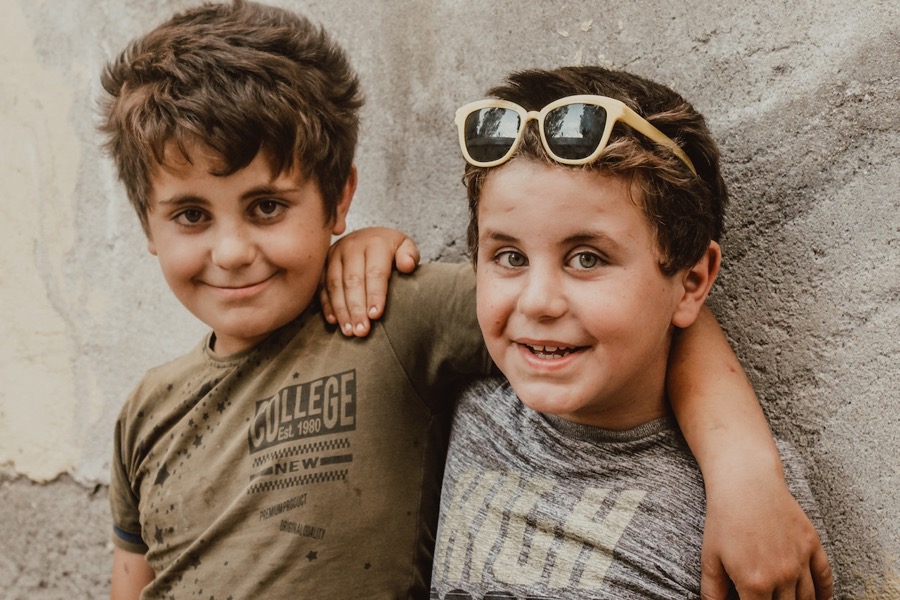
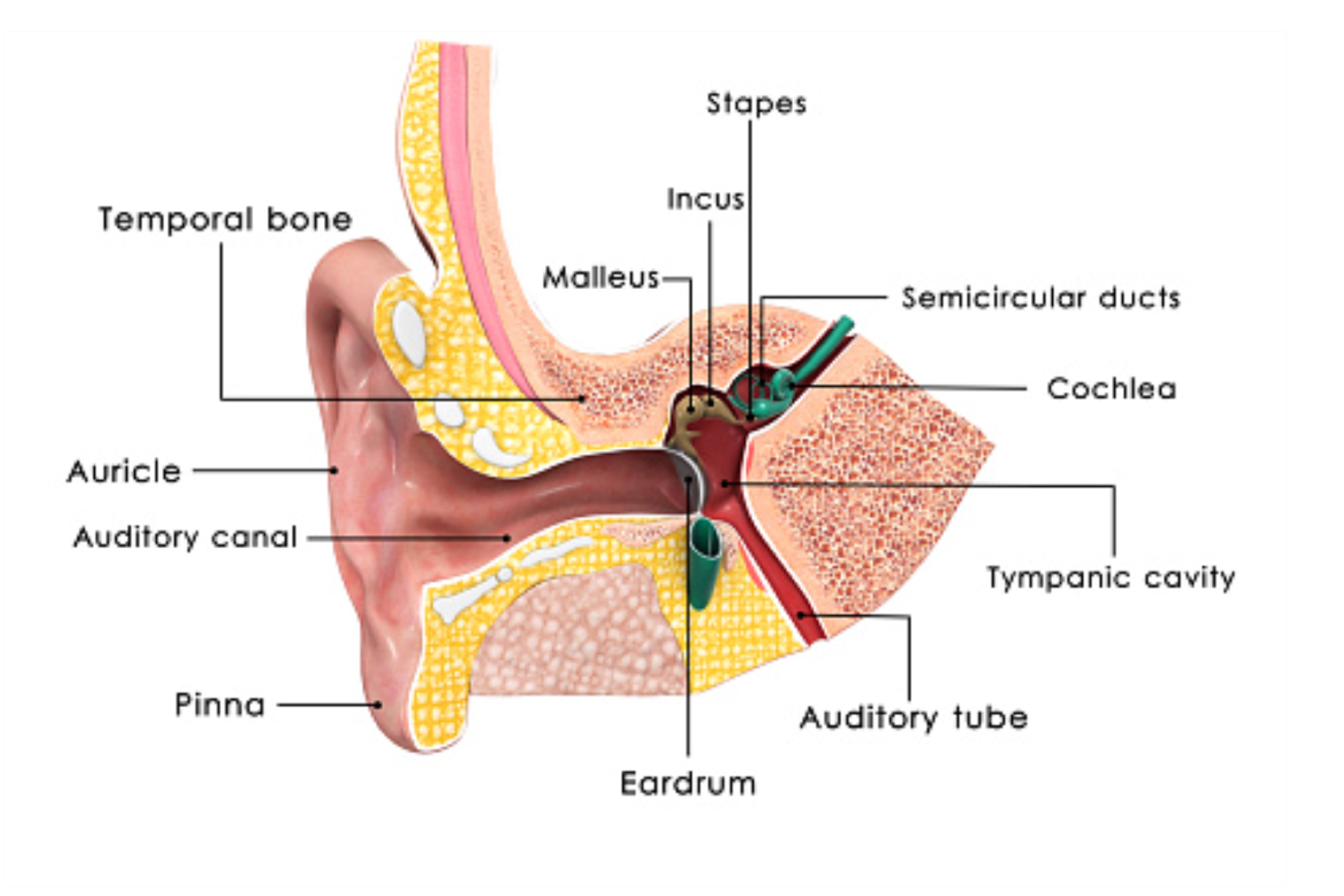
Development of the auditory system
Some of the key developmental milestones —
- A fetus responds to external sound around 25 to 28 weeks gestation.
- The auditory system continues to mature into the late teens.
- Infants’ external auditory canal has a smaller volume than the adult canal.
- By age 9, the ear canal reaches adult size and orientation. Still, the middle ear cavity does not reach adult size until the teens.
- At roughly age 20, maturation of peripheral (outer, middle, and inner ear), central auditory pathways (auditory pathway to the brain), and the auditory cortex is complete.
Hearing improves significantly during this long developmental run, including
- Sound detection
- Frequency and intensity discrimination
- Sound localization
- The ability to understand speech in noisy environments (one of the last skills to develop)
Noise risks for children
The developing auditory system is more vulnerable to loud noise, which damages or destroys cochlear hair cells, the sensory receptors for sound. Loud noise also disrupts the neural activity (synapses) between the hair cells and the auditory nerve.
Loud-noise exposure in childhood is also linked to adult hearing problems.
What is safe sound for children?
Estimates of safe noise levels for children are based on adult occupational noise exposure studies — this is a problem.
For example, The National Institute for Occupational Safety and Health (NIOSH) recommends a limit of 85 decibels (dB) in the workplace. But this standard is far too high for infants, children, and adolescents.
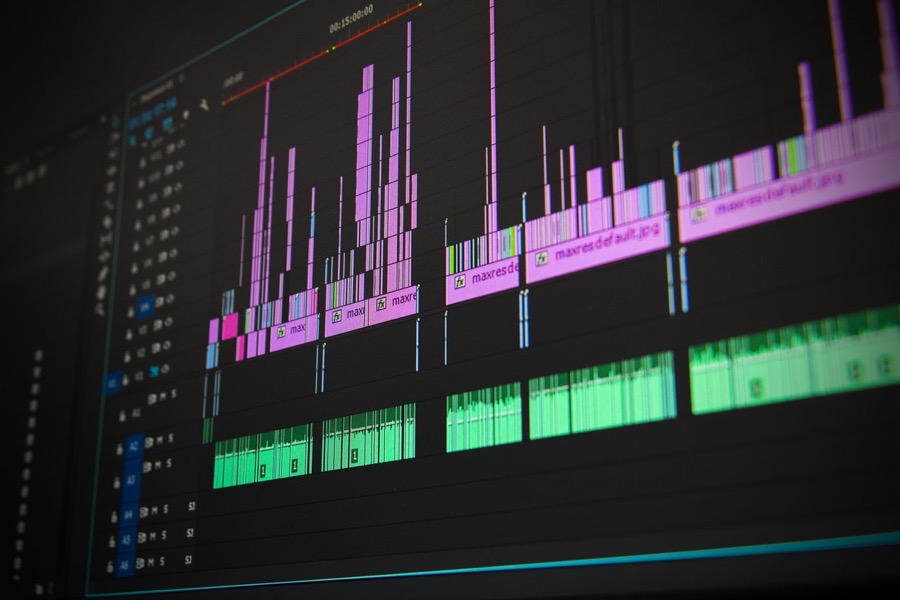
Along the same lines, the Environmental Protection Agency determined that to prevent noise-induced hearing loss, average daily noise exposure should not exceed 70 dBA. Unfortunately, average daily noise exposure in the United States typically exceeds 70 dBA.
Keep in mind that even when average noise exposure remains at safe levels, brief, intermittent high-intensity noise exposures — a car horn, firecracker, popping balloon — can damage fragile structures of the inner ear (hair cells).
For children or adults, one thing is sure, the louder and more frequent the noise, the faster and more severe the resulting hearing loss.
A closer look
For all of us, total hearing damage is the sum of all noise exposures from birth to death. There are many sources of hearing damage for infants, children, and teens: toys, listening devices, band practice, movies, concerts, sports events, air shows, auto races, and parties.
Not surprisingly, hearing loss is not uncommon in teens. For example, studies based on screening audiometry during the National Health and Nutrition Examination Surveys (NHANES) revealed that
- About 20% of adolescents aged 12-20 years had hearing
- 45%-92% of adolescents reported tinnitus (ringing in the ears).
In Holland, researchers measured hearing loss in 9-11 year olds who used portable music players.
Unsafe noise can also affect sleep and learning, brain development, and cause auditory processing disorders.

The conversation test
Any noise that is too loud for adults is too loud for developing ears.
The conversation test is a good rule of thumb for ambient noise level: If you must raise your voice to hold a conversation with someone three feet away, this level of ambient noise puts children’s hearing at risk.
Practical steps for parents and caregivers
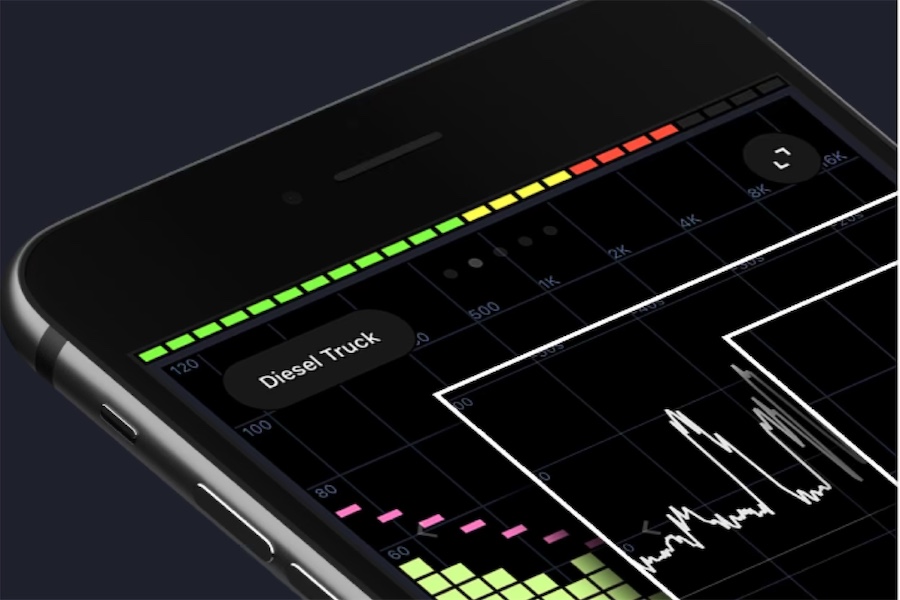
- Sound-level apps. A starting point I like is using a phone app to measure sound levels (impressive what you’ll learn about noise). There are plenty of apps to choose from for Apple and Android phones. I can vouch for the ease of use of SoundPrint and Decibel X (Android) — and they’re free. SoundPrint will even help you find quiet restaurants.
-
Avoid noisy toys and popping balloons.
-
Avoid loud events.
-
Use hearing protection. If avoiding loud events isn’t possible, try using earmuff-style hearing protection for your children. There are models designed for children that form a good seal around their ears and fit snugly against their heads. Buyer beware! Look for earmuffs that have a Noise Reduction Rating (NRR). For example, an NRR 19 rating protects up to 105 dB and allows your child to hear your voice.
-
Avoid earplugs for young children — they’re a choking hazard

-
For intermittent loud noise, teach your children to place their index fingers into their external ear canals. Cupped hands over the ears do not damp sound enough.
-
Tablet and cellphone noise exposure. The American Academy of Pediatrics (AAP) screen time recommendations — none until 18-24 months except for video calls, and then no more than one hour a day between the ages of 2 and 5 years — are helpful for limiting noise exposure.
-
Headphones or earbuds for older children and adolescents. Consider models with noise-canceling or sound-isolating features. These features make it possible to listen at lower volumes in noisy places. Safe-listening settings can be locked using parental controls.
-
Educate. Remind children and teens the importance of safer personal listening to protect and preserve their hearing. Recommend this: Listen at the lowest comfortable volume below 50% of maximum volume.
-
Model safe listening practices for your children. They’re watching!
Act to protect
Take action to protect your children’s hearing from excessive noise. By doing this, you prevent hearing loss from undermining their physical, cognitive, and psychological development. You also reduce the risks associated with untreated adult hearing loss such as the increased rates of—
- Falls
- Accidents
- Social isolation
- Depression
- Dementia
- Death
Need help?
Call us if you're in our service area and want to speak with an audiologist about children’s hearing. We'll make an appointment for an office visit or telephone consultation.
Crest Hill, IL - 630-633-5060 | Palos Hills, IL - 708-599-9500

